


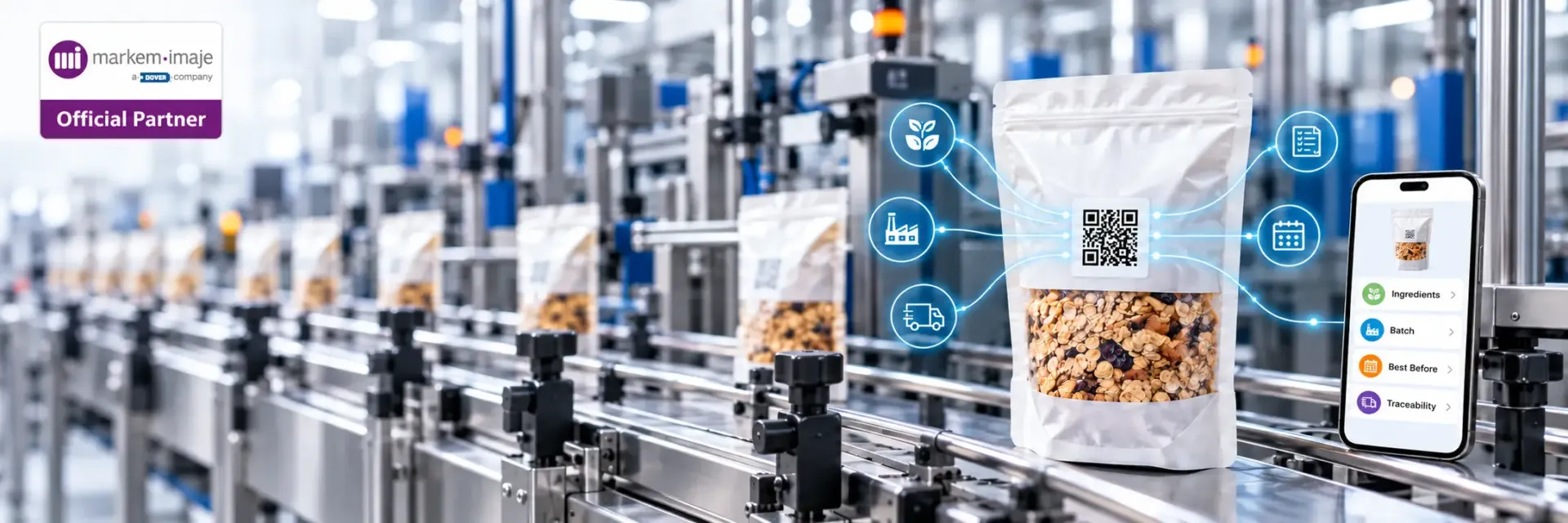
GS1 Digital Link QR Code Solutions
Every product pack that leaves a production line in the UAE carries the information retailers, regulators, and consumers need: batch numbers, expiry dates, allergen details, and origin data. GS1 Digital Link puts it all behind a single QR code, scannable by anyone with a smartphone.
For food, beverage, dairy, pharmaceutical and personal care manufacturers across the UAE, Oman, Saudi Arabia, Qatar, Kuwait and Bahrain, this is a practical step towards meeting the GS1 Sunrise 2027 compliance deadline, and a requirement for exporting to markets in the United States and Europe where retailers are already moving to accept GS1 codes at checkout.
What is GS1 Digital Link?
GS1 Digital Link is a global standard that embeds a product's GS1 identification number, such as its GTIN, into a QR code that resolves to online information.
Instead of printing separate barcodes for checkout, traceability and consumer engagement, a single GS1 Digital Link code handles all three, product identification, supply-chain data and digital content from one scan.
This standard is central to the global transition from traditional linear barcodes to QR codes at the retail point of sale, a shift already underway through the GS1 Sunrise 2027 initiative.
Explore the Possibilities of Connected Packaging
Discover how connected 2D codes can make product information easier to access, create useful customer experiences and support supply-chain visibility. Explore the six topics below to understand how these applications work.
ComplianceConnect product identity to relevant specifications, documents and digital information.
Connect product identity with useful information.
A GS1 Digital Link URI represents GS1 identifiers in a web address. Connected systems can use these identifiers to direct a scan to appropriate product information or other resources.
How the product identity is structured
- Product identifier
- GTIN: 09506000134352
- Batch identifier
- LOT123
https://example.com/01/09506000134352/10/LOT123
Illustrative URI only. The example domain is not an operational product resolver.
- Identify: associate the code with the relevant product and batch.
- Connect: route scans to resources supported by the implemented system.
- Inform: provide product specifications, instructions or relevant documentation.
A code does not establish regulatory compliance by itself. Required physical labels and applicable legal requirements still apply.
Nutritional TransparencyMake ingredients, allergens and nutritional information easier to find.
Product Transparency Beyond the Label.
Give consumers easy access to ingredients, allergens and nutritional information through a connected 2D code experience.
Ingredients & Allergen Information
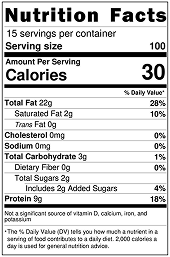
Make detailed product information easier to find beyond the physical label. A connected experience can present ingredients, declared allergens and nutritional values alongside relevant product dates.
- Expiration Date
- Best Before Date
- Food Allergy Warning
- Contains Mustard
Illustrative example.
Nutri-Score
Where applicable, a connected product page can display a product's Nutri-Score alongside detailed nutritional information, helping consumers find the rating and supporting facts together.
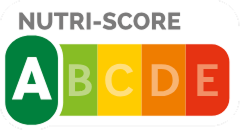
Digital information supplements mandatory physical labelling. Any displayed nutrition data, allergen statements and ratings must be verified for the actual product and market.
PersonalisationPresent relevant content based on the product and customer-selected preferences.
Make Every Scan More Relevant.
Connect customers with content suited to the product they scanned, their preferences and the context of their visit.
Product Attributes
Use product details such as item, colour, size and variant to present relevant information and recommendations.
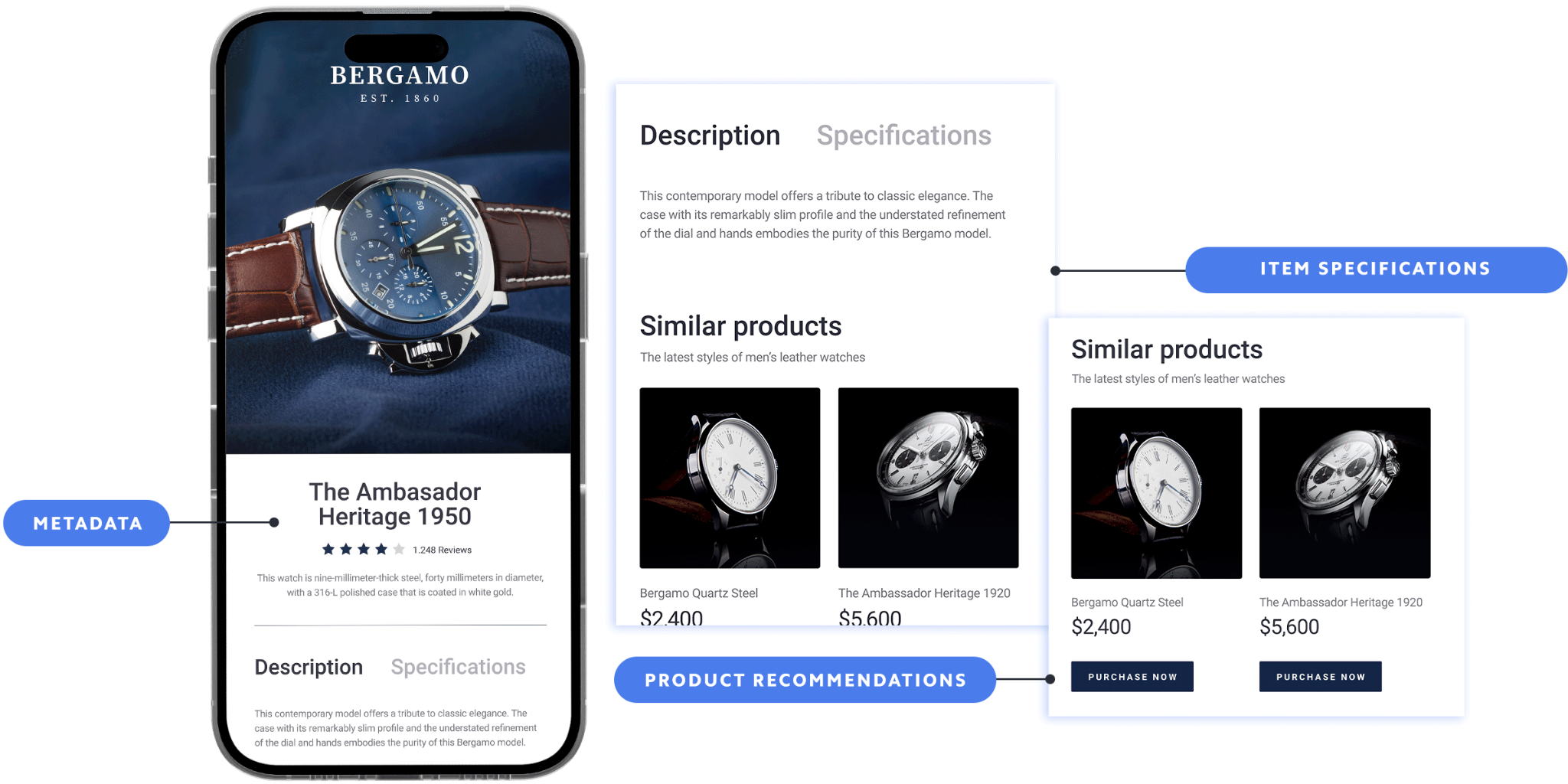
For example, a scan can open specifications for the exact product variant, alongside suitable recommendations and re-order options.
Context & Environment
Where supported by the platform and available data, adapt content to factors such as location, weather, device and time.
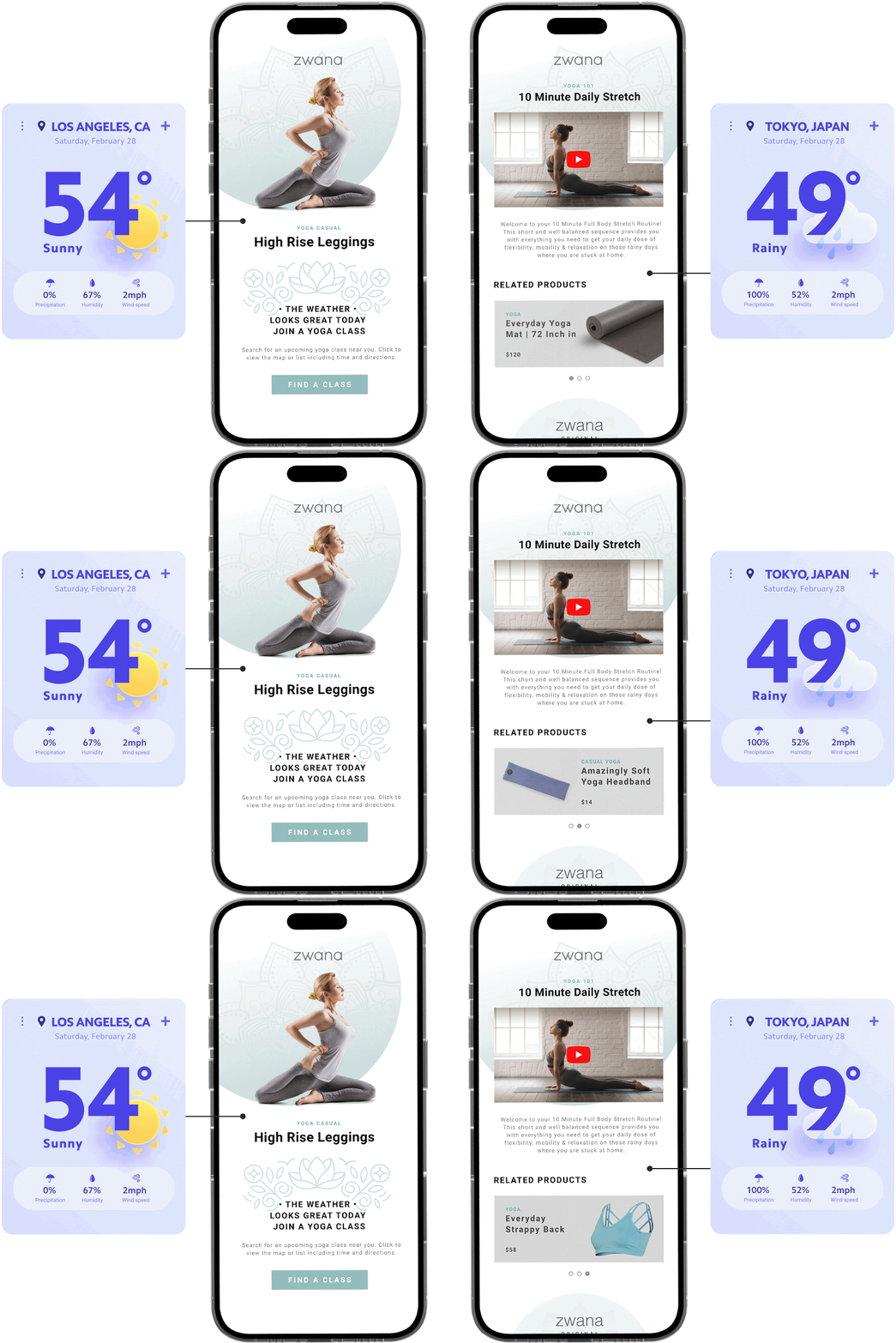
A scan on a rainy evening in Tokyo could present different content from a scan on a sunny morning in Los Angeles.
Consumer Preferences
Present more relevant content using preferences customers choose to share and supported previous interactions.
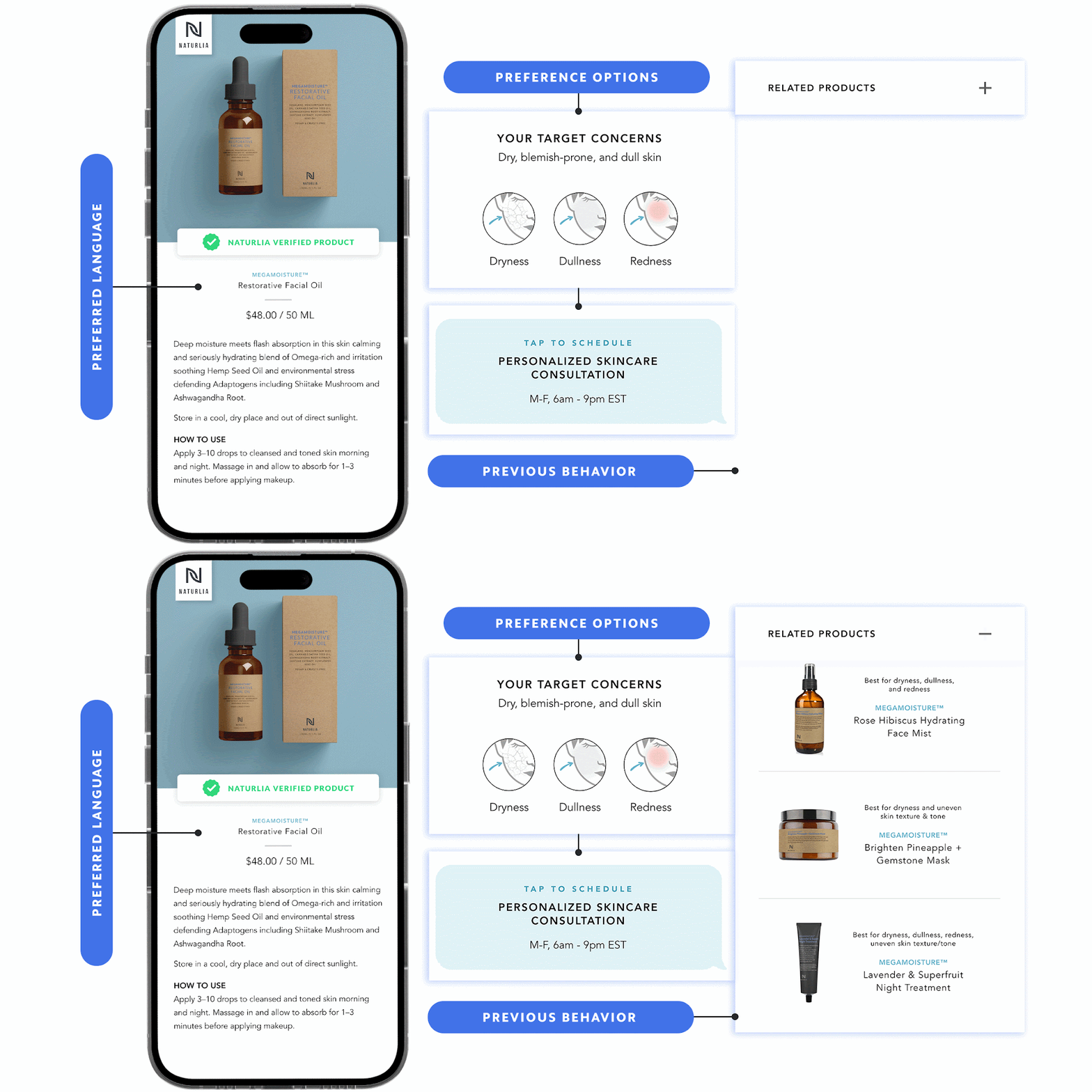
A returning customer could see content based on interests or preferences previously shared with the brand.
Journey & Behaviour
Support different stages of the customer journey, from researching a product before purchase to accessing guidance after purchase.
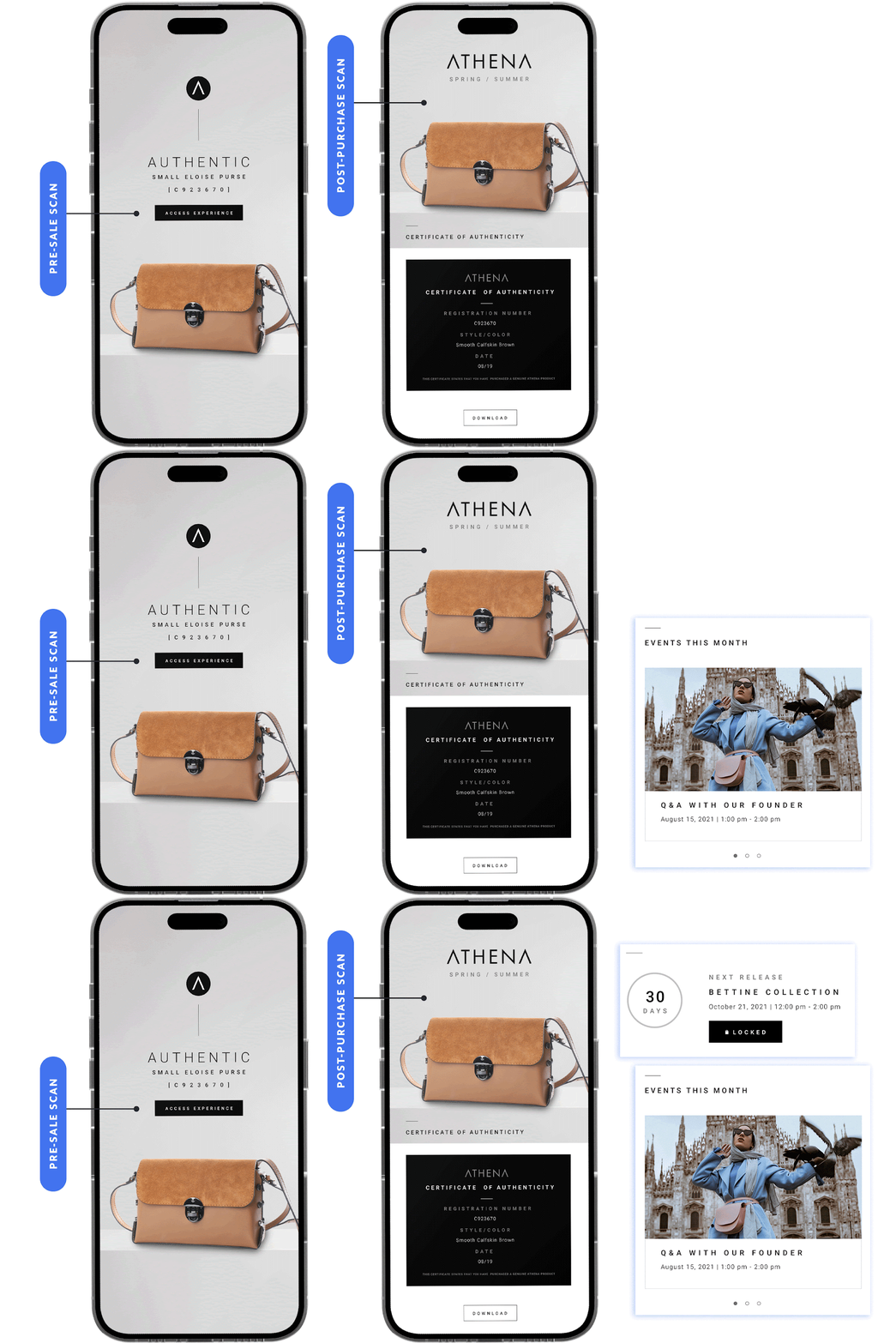
A pre-purchase scan can support product comparison, while an owner experience can provide setup guidance or additional content when ownership is established by the implemented system.
Available features depend on the selected platform and integrations. Personalisation uses appropriate privacy and consent controls.
Consumer EngagementConnect customers with recipes, campaigns, feedback and loyalty experiences.
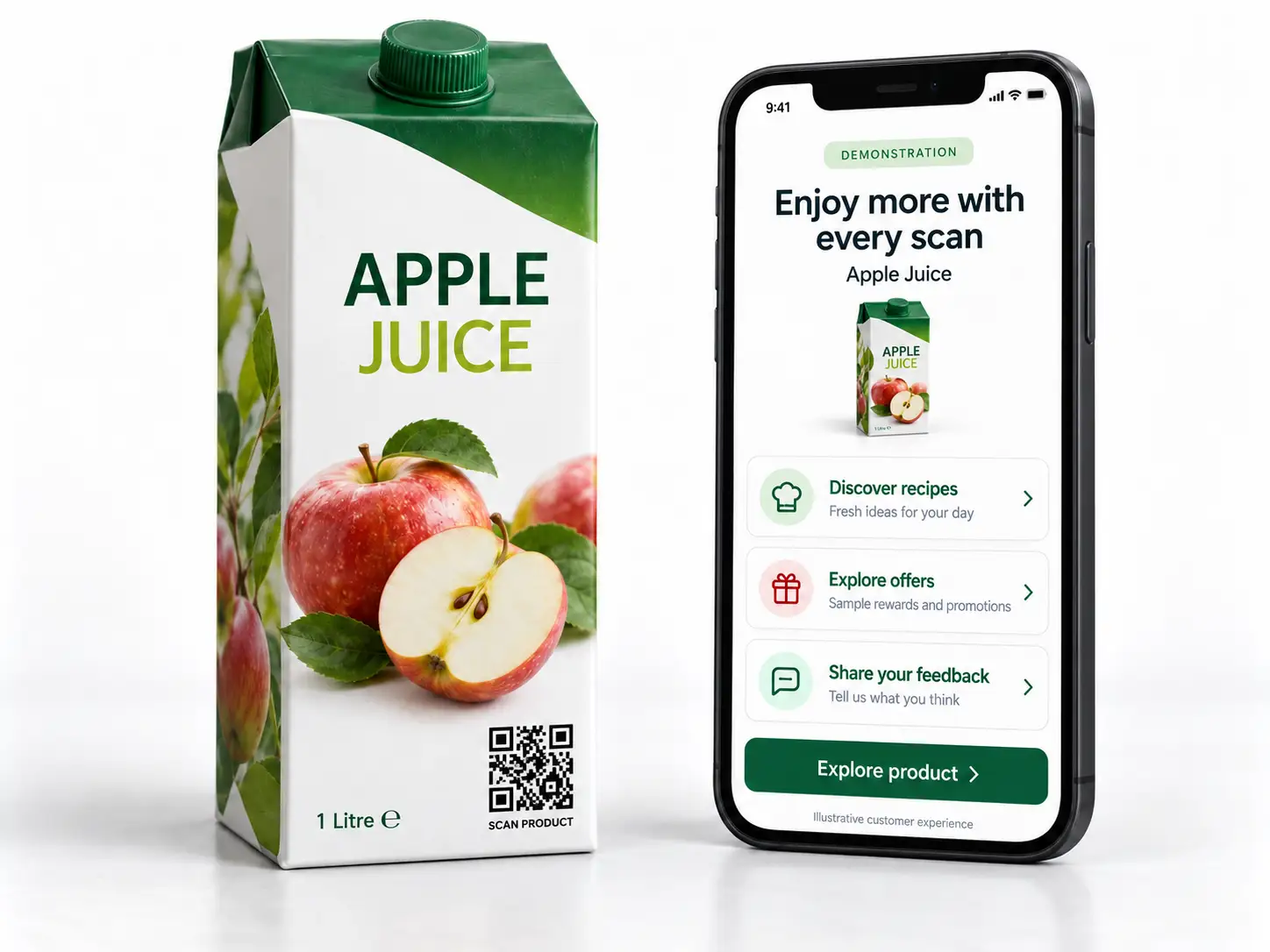
Turn Every Scan into an Experience.
A connected 2D code can create a direct digital touchpoint, helping brands engage customers, encourage repeat interactions and collect useful feedback.
Promotional Campaigns
Connect product scans to interactive campaigns, relevant offers and engaging brand content.
- Interactive Experiences
- Flexible Campaigns
- Measurable Engagement
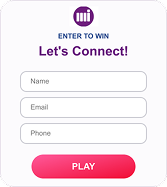
Contests and Sweepstakes
Depending on the selected platform, contest-management tools can support formats such as Golden Ticket, raffle and scavenger-hunt campaigns, with entry controls and scheduling.
- Define Entry Rules
Set how entries are created, validated and limited for the campaign.
- Configure Contest Settings
Configure winner counts and selection settings supported by the platform.
- Schedule & Manage
Set campaign dates and manage the experience through the platform's campaign tools.
Build Customer Loyalty
Encourage repeat engagement with useful content, relevant offers and rewards linked to supported customer interactions.
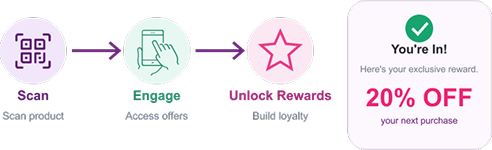
Feedback & Reviews
Give customers a convenient route to share feedback or review their experience after a scan. Relevant feedback can help your team understand customer needs, answer questions and improve product information.
Features depend on the selected platform and configuration. Campaigns require applicable terms, privacy controls and any required local approvals. The images do not activate a contest or rewards programme on this page.
Track & TraceConnect product identifiers to batch records and supply-chain events.
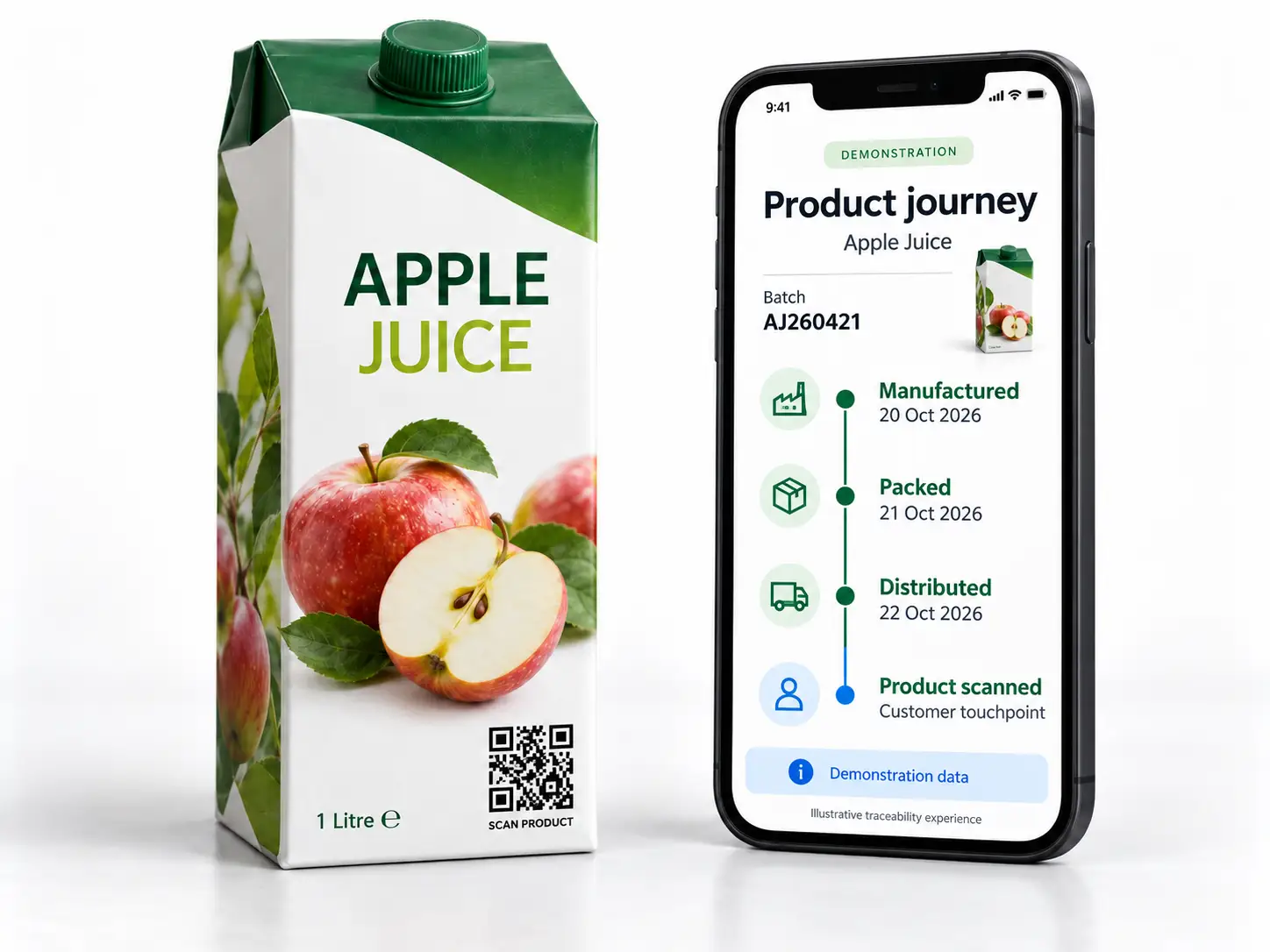
Visibility Across the Product Journey.
Connect product identity with recorded location and supply-chain data to access relevant events and product information through a scan.
Connected Traceability in Action
Connected 2D codes can link products to recorded events, batch information and relevant digital resources.

Targeted Recalls
Access product and batch records to help investigate affected stock and support more targeted recalls.

Digital Product Passports
Connect physical products to structured digital information through product identifiers and linked resources.

Food Supply-Chain Traceability
Connect identifiers to recorded supply-chain events. Requirements such as FSMA traceability need a separate assessment of the applicable records and systems.

Digital Packaging & Sustainability
Provide access to packaging, recycling and sustainability information. PPWR-related applications require an assessment of the relevant product and market requirements.
Explore Example Locations
Location records can help explain where product-related activities take place. The locations below illustrate this concept; they are not a tracked route for the sample juice pack.
- Headquarters
Geneva, CH - Drop-on-demand
Keene, US - Drop-on-demand
Salem, US - Continuous Inkjet
Bourg-lès-Valence, FR
See It in Action
Explore external connected-product demonstrations.
 Neurobion Forte TabletsSerialised packaging demonstration ↗
 Big Battery 48V RHINO 2LiFePO4 traceability demonstration ↗
External demos open in a new tab. These examples do not indicate product availability through Al Thika Packaging.
Traceability depends on accurate data capture and integration. A connected code alone does not establish regulatory compliance or capture a complete product journey.
Brand ProtectionSupport identifier checks and investigate unusual product scan activity.
Protect Your Brand. Understand Every Scan.
Connected product identifiers and verification systems can help brands investigate suspected counterfeiting and products scanned outside their intended market.
See Brand Protection in Action
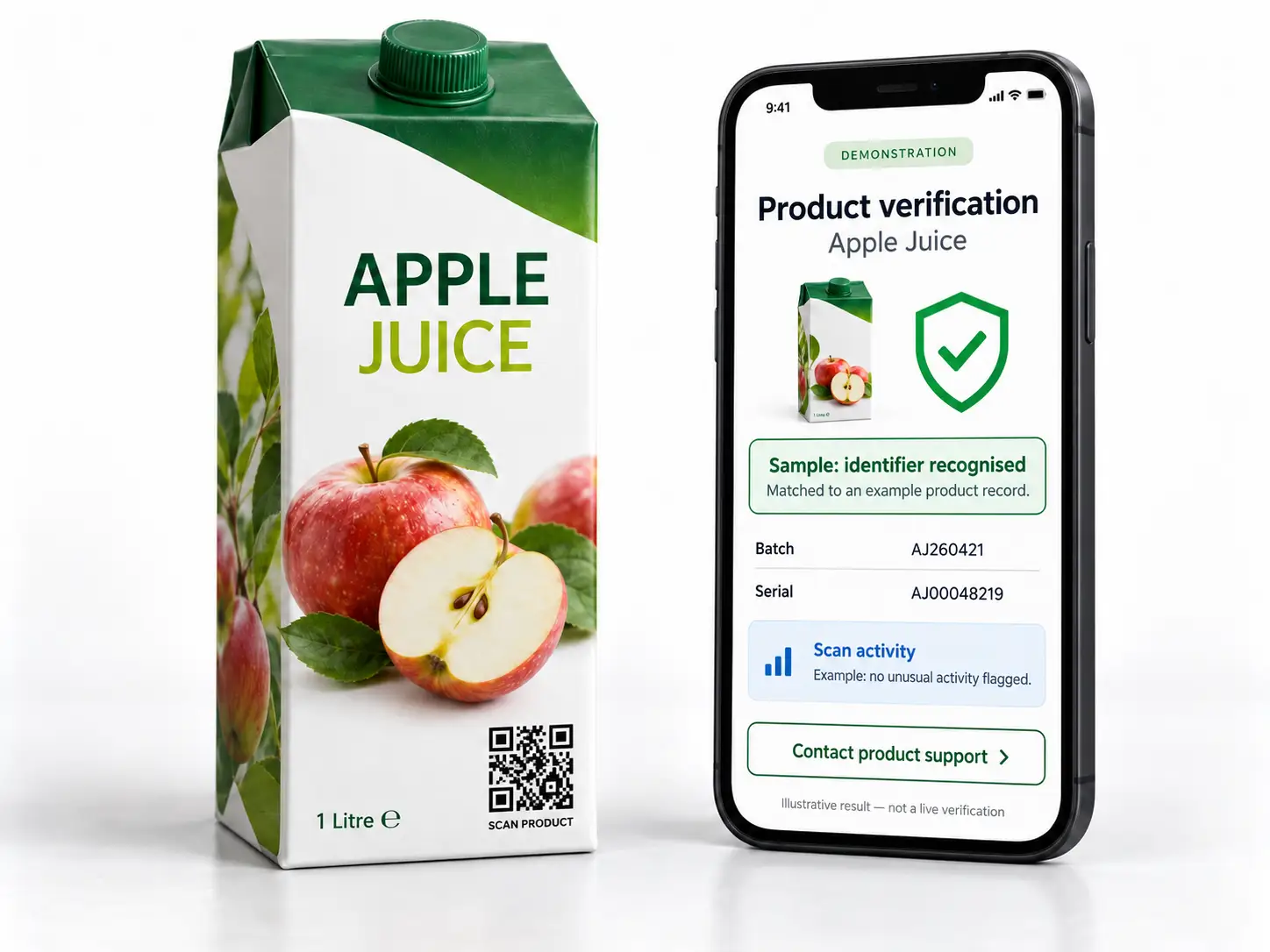
A configured platform can check an identifier against product records and assess available scan information. Explore two illustrative results below.
Authenticity Check
Verify Authenticity
Demo: identifier recognised
The sample identifier matches an example product record.
This is a preset demonstration, not a live authenticity check. A recognised identifier alone does not prove a physical product is genuine.
Market & Diversion Check
Check Market
Demo: market review
A connected system could compare available scan-location information with a product's intended distribution market and flag differences for investigation.
This demonstration does not request your location or perform a live market check.
Example Product History
- Manufactured
Louisville, KY - Packed
Scranton, PA
Illustrative history from the supplied demo content.
Discuss Your Connected Packaging Application
Tell Al Thika Packaging about your product, packaging material, production speed and information requirements. We can help you explore the coding and integration requirements for your application.
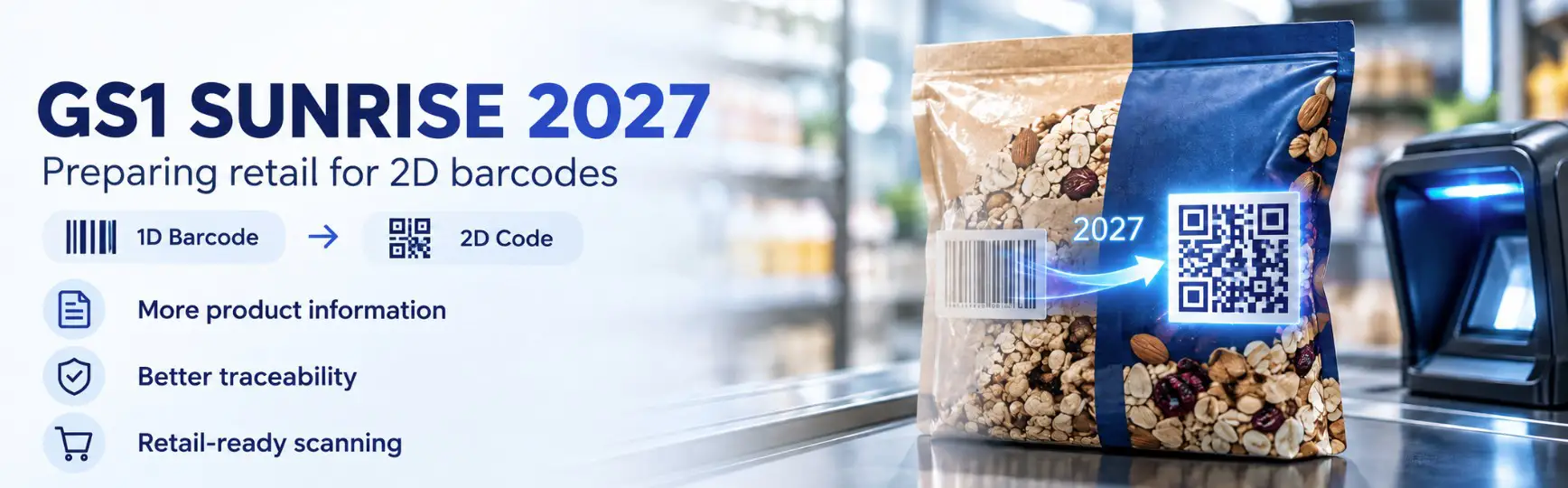
What is GS1 Sunrise 2027?
GS1 Sunrise 2027 is the global initiative setting the target date for retail point-of-sale systems worldwide to accept QR codes alongside traditional linear barcodes.
Major retail markets are already moving. In the United States, GS1 US is leading the transition with pilot programmes across grocery and retail chains. In Europe, retailers and regulators are aligning with the same timeline. After 2027, manufacturers that have adopted GS1 Digital Link will be able to use a single code on packaging for both checkout scanning and digital engagement.
For manufacturers in the UAE and across the Gulf that export to the US, Europe and other international markets, preparing ahead of the Sunrise 2027 deadline is not only about local readiness, but it is also about ensuring products meet the barcode requirements of destination markets and avoiding rejections or relabelling costs at the point of entry.
What Can a GS1 Digital Link QR Code Do?
A GS1 Digital Link code carries structured product data and links to digital content at the same time. When scanned, it directs customers, retailers or supply-chain partners to the right information for that specific product.
Carry production data
Variable production information is embedded directly in the code during printing, including:
- Batch or lot number
- Best-before or expiry date
- Serial number
- Product weight or price
- Manufacturing facility information
A dairy manufacturer in Dubai, for example, can print a code on each yoghurt cup that links retailers to batch origin, expiry and recall information, without adding a second barcode to the packaging.
Connect to digital content
Each scan can open a branded, mobile-friendly landing page. Content can be updated at any time without changing the printed packaging artwork.
Possible content includes:
- Ingredients and allergen information
- Product origin and sustainability details
- Usage instructions and recipes
- Promotions and loyalty campaigns
- Product authentication and anti-counterfeiting
- Recall or safety notices
- E-commerce links
- Brand stories and videos
A personal care manufacturer exporting from the UAE to European retailers, for instance, can use the same printed code to show ingredient compliance information in the destination market's language.
Benefits for Food and Beverage Manufacturers
GS1 Digital Link helps manufacturers make packaging more useful for both operations and customers and supports the traceability expectations behind HACCP, BRCGS and IFS audits.
GS1 Digital Link helps manufacturers make packaging more useful for both operations and customers, and supports the traceability expectations behind HACCP, BRCGS and IFS audits.
- Replace multiple printed codes with a single QR code that serves checkout, traceability and consumer engagement
- Improve batch-level traceability from production through to retail shelf
- Share clearer product and allergen information directly from the pack
- Support faster product recalls and expiry-date management
- Create a direct digital connection with consumers after purchase
- Prepare for the GS1 Sunrise 2027 retail compliance deadline
- Gain insight into how and where consumers engage with products across different markets
Industries That Benefit Most in the UAE
Food and beverage
Batch traceability, allergen transparency and recall management for manufacturers supplying supermarkets and food service operators across the Gulf and export markets.
Dairy and bakery
Short shelf-life products benefit from expiry-date visibility at the pack level, supporting HACCP and BRCGS audit requirements.
Meat, poultry and ready meals
Origin tracing, halal certification details and cold-chain compliance information accessible from a single scan.
Pharmaceuticals and healthcare
Serialised codes for product authentication, anti-counterfeiting and regulatory compliance across the UAE and export destinations.
Cosmetics and personal care
Ingredient transparency and multilingual product information for products exported to regulated markets in Europe and the US.
Retail and FMCG
Consumer engagement campaigns, loyalty programme integration and promotional content linked directly from the pack.
Industrial products and spare parts
Authentication, anti-counterfeiting and supply-chain visibility for components distributed across multiple markets.
How to Implement GS1 Digital Link on a Production Line
Implementing GS1 Digital Link requires coding technology that can create, print and verify compliant codes during production. A complete solution typically covers four steps:
Create and manage codes
GS1-compliant codes are generated for each product, including dynamic or unique serialised codes. Codes are managed through software and can be adapted to product, market and campaign requirements.
Print on the production line
Codes can be pre-printed on packaging or printed inline during production using coding technologies such as thermal transfer overprinters, laser coders, continuous inkjet printers and print and apply labelling systems.
Verify every printed code
Vision and verification solutions check that each code is correctly printed, readable and GS1-compliant before the product leaves the line. This protects retailer acceptance and reduces coding errors that could cause rejections at goods-in.
Connect scans to digital content
A software platform links each code to a branded landing page where content can be managed and updated without changing the printed packaging.
In many cases, existing Markem-Imaje printing equipment on the line can support GS1 Digital Link codes without a full line change, an assessment of the current setup will confirm compatibility.
GS1 Digital Link Solutions in the UAE
Al Thika Packaging LLC provides GS1 Digital Link implementation through Markem-Imaje coding, software and verification technology, supporting manufacturers across the UAE, Oman, Saudi Arabia, Qatar, Kuwait and Bahrain.
The Al Thika Packaging team can help assess an existing packaging line, select suitable coding technology and introduce GS1 Digital Link into a production process, ahead of the Sunrise 2027 deadline.
Request a GS1 Digital Link Demonstration
Discover how a printed 2D barcode can connect packaging to traceability data, product information and customer engagement.
Contact Al Thika Packaging LLC to discuss a GS1 Digital Link solution for a production line in Dubai, Abu Dhabi, Sharjah and across the UAE.
GS1 Sunrise 2027 is the global deadline for retail point-of-sale systems to begin accepting QR codes alongside traditional linear barcodes. Retailers in the United States and Europe are already piloting this at checkout. UAE manufacturers that export to these markets need GS1 Digital Link-ready packaging to avoid rejections or relabeling; adopting early avoids rushed line changes and ensures products meet barcode requirements in destination markets.
GS1 Digital Link is not currently mandatory in the UAE, but it reflects the direction set by GS1 Sunrise 2027: the global move towards QR codes at the retail point of sale. Introducing it early helps manufacturers stay ahead of future retailer and regulatory requirements rather than reacting to them later.
In many cases, yes. Compatible coding technologies, including thermal transfer overprinters, laser coders, large character piezo printers, and print and apply labelling systems, can print GS1 Digital Link codes, often without a full line change. An assessment of the existing line will confirm what is needed.
A regular QR code typically links to one fixed URL. A GS1 Digital Link code is built on a product's GS1 identification number (such as its GTIN), so it carries structured data like batch, expiry and traceability information while also linking to consumer-facing content, replacing the need for multiple separate codes on one pack.
Food and beverage, dairy, meat and poultry, pharmaceuticals and personal care manufacturers benefit most, especially those exporting to the United States and Europe where retailers are moving towards QR code scanning at the point of sale. Any manufacturer handling batch traceability, expiry management or product recalls can use GS1 Digital Link to improve accuracy and visibility.
Implementation time depends on the existing setup. If compatible printing equipment is already on the line, adding GS1 Digital Link can take weeks rather than months. A line assessment identifies what is needed; in some cases, it is a software update and verification step rather than new hardware.